Why Delaying Your Hearing Test Costs More Than You Think
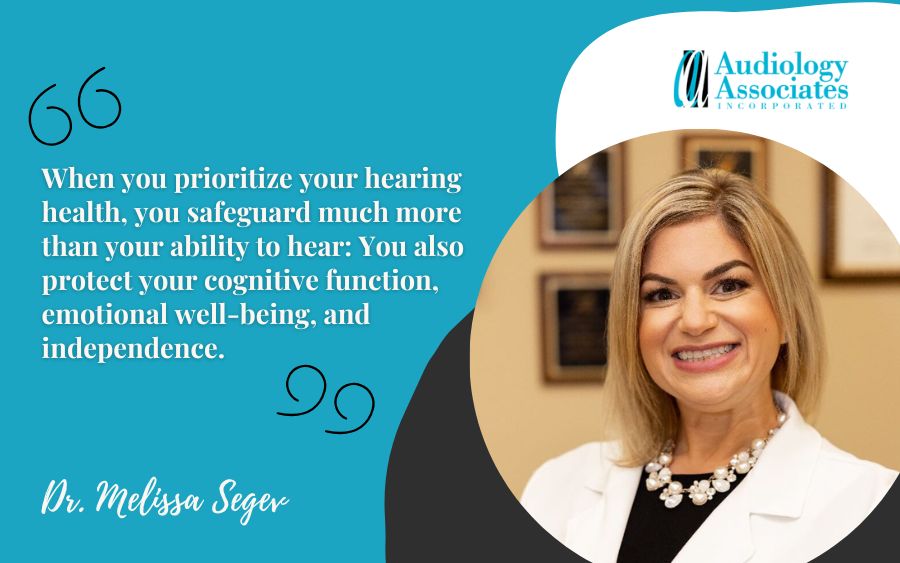
Dr. Melissa Segev Au.D
You might view a hearing assessment as something that can wait, but your hearing is the gateway to your overall well-being. Hearing loss is not simply an isolated ear problem; it’s a systemic health issue that affects your mind, body, and relationships.
By understanding the true impact of untreated hearing loss, you empower yourself to make informed decisions that protect your quality of life.
When you prioritize your hearing health, you safeguard much more than your ability to hear: You also protect your cognitive function, emotional well-being, and independence.
Your Brain on Standby: The Reality of Auditory Deprivation
You benefit from early testing because it prevents "auditory deprivation," a condition where the brain’s hearing centers begin to atrophy from lack of use. When you ignore subtle changes in your hearing, your brain receives less stimulation, causing the neural pathways responsible for processing sound to weaken over time.
By catching changes early, you keep your neural pathways active and engaged. This is crucial, as research has shown a strong link between untreated hearing loss and cognitive decline.
When your brain has to work harder to decode muffled or incomplete sounds, it diverts energy away from other critical functions like memory and reasoning. By addressing hearing loss promptly, you free up cognitive resources and support your long-term brain health.
The Emotional and Social Tax of Silence
When you’re with loved ones at a restaurant or bar, do you often feel overwhelmed or drained because the effort to listen has become too taxing?
The strain of trying to follow conversations can lead to frustration, embarrassment, and, eventually, isolation. This emotional and social tax is often invisible, but it’s deeply felt.
You benefit from a hearing assessment that identifies these barriers before they lead to social isolation or depression. Early detection allows you to take proactive steps, ensuring that you remain connected to the people and activities that matter most.
Maintaining your hearing health is a primary way to protect your relationships with family and friends. By addressing hearing loss, you preserve your ability to participate fully in life’s most meaningful moments.
The Financial Paradox: Why Waiting Costs More
You might think you’re saving money by skipping a professional evaluation, but untreated hearing loss is linked to higher healthcare costs overall.
Delaying care often leads to more complex and expensive interventions down the line, including advanced hearing aids, medical treatments, or even hospitalizations related to dizzy spells, falls, or cognitive decline.
You benefit from early intervention because milder hearing loss is often easier and less expensive to manage than profound, long-term deprivation. Additionally, untreated hearing loss can impact your earning potential and workplace performance.
The ability to communicate confidently is essential in any professional setting, and protecting your hearing health ensures you remain competitive and engaged in your career.
Physical Safety and the Risk of Falls
What you may not realize is that even mild hearing loss has been associated with an increased risk of falls, as your ears provide essential "auditory cues" that help your brain maintain balance and environmental awareness.
We can’t use “can triple your risk” as it’s a specific quantified medical claim and would require direct citation within the article. For compliance, softened it to “has been associated with an increased risk of falls.”
When your ears are struggling, your balance is also at risk; falls continue to be a life-threatening risk for older adults, but many don’t realize how hearing health impacts your spatial awareness.
You benefit from hearing assessments and balance screenings that ensure your spatial awareness is intact. By addressing hearing challenges early, you reduce your risk of falls and the associated injuries, which supports your independence and overall physical health.
What You Gain by Acting Now
You benefit from having a "baseline" audiogram of your current hearing abilities, as this allows our team of professionals to track changes over time with precision. A proactive approach means that any shifts in your hearing can be addressed quickly and effectively, minimizing long-term impact.
You can rest assured that modern hearing care is personalized, discreet, and designed to fit your unique lifestyle. Today’s solutions are more advanced and less intrusive than ever before, offering you comfort and confidence as you navigate your daily life.
The peace of mind that comes with knowing exactly where your hearing health stands is invaluable, especially when it affects other aspects of your overall well-being, too.
Invest in Your Future Self with Gold-Standard Hearing Healthcare
Taking care of your hearing is an investment that pays dividends in every conversation and every connection you make. You deserve to live a life full of clear, vibrant sound. By prioritizing your health today, you ensure that you can continue to be heard tomorrow.
Don’t let the real cost of skipping a hearing assessment catch you by surprise. Prioritize your health and well-being by getting in touch with Audiology Associates for comprehensive hearing care that puts your needs first!
Frequently Asked Questions (FAQ)
Q: If I can still hear most things, is it really necessary to get a hearing assessment?
A: Yes, because you benefit from early detection even if your hearing loss seems minor. Subtle changes can indicate underlying issues that, if left unaddressed, may progress and impact your cognitive health, relationships, and safety. A baseline assessment allows professionals to monitor your hearing over time and intervene before problems escalate.
Q: How does untreated hearing loss affect my brain and mental health?
A: Untreated hearing loss leads to "auditory deprivation," where your brain’s hearing centers weaken due to lack of stimulation. This can accelerate cognitive decline, increase your risk of memory problems, and contribute to social withdrawal or depression. By acting early, you keep your brain engaged and protect your mental well-being.
Q: Are hearing assessments and interventions expensive, and will delaying save me money?
A: Delaying a hearing assessment may seem cost-effective, but it often leads to higher expenses in the long run. Untreated hearing loss is linked to increased healthcare costs, more advanced interventions required down the road, and even reduced earning potential. You benefit financially by addressing hearing changes early, when solutions are simpler and more affordable.
Source
Mayo Clinic: Struggling with your balance or feeling dizzy? Take a look at the symptoms and causes of balance challenges before booking in with us to get your hearing and balance professionally examined.

Dr. Melissa Segev Au.D